์ „์ฒด ๊ธ€ 837

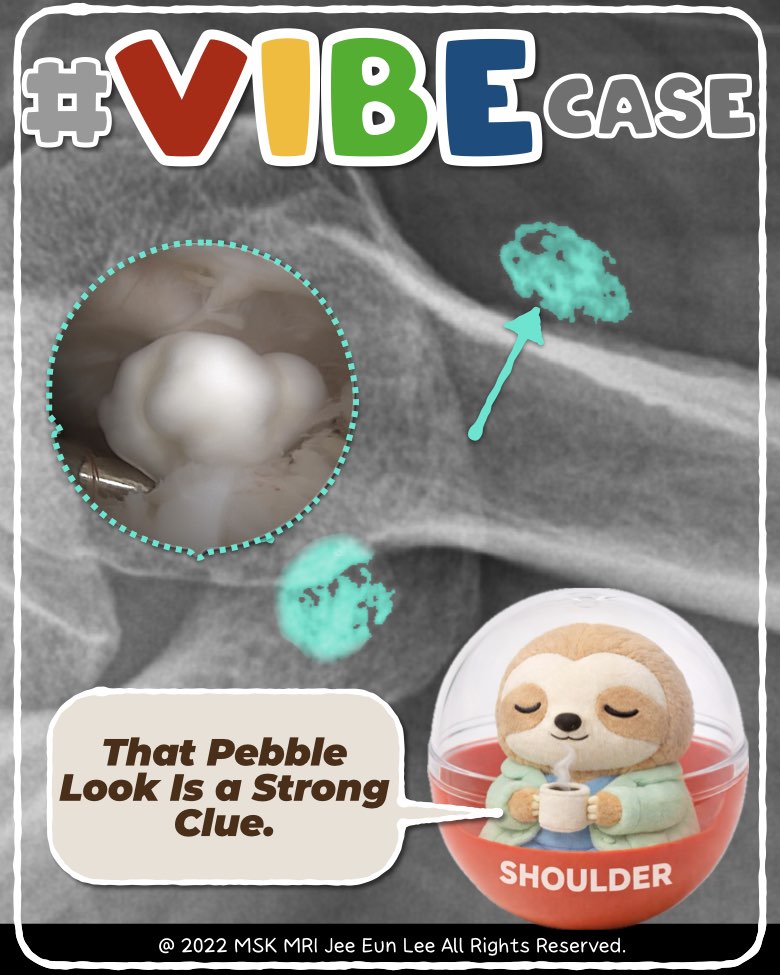
๐Ÿ“ŒSynovial Chondromatosis of the Subacromial–Subdeltoid Bursa

https://youtube.com/shorts/kaOO1ORUT98Imaging Findings – Radiology-Focused ReviewSubacromial–subdeltoid (SASD) osteochondromatosis is an uncommon extra-articular manifestation of synovial chondromatosis arising from the bursal synovium rather than the glenohumeral joint. Recognition of its characteristic imaging features is essential to avoid misclassification as simple bursitis or intra-articul..

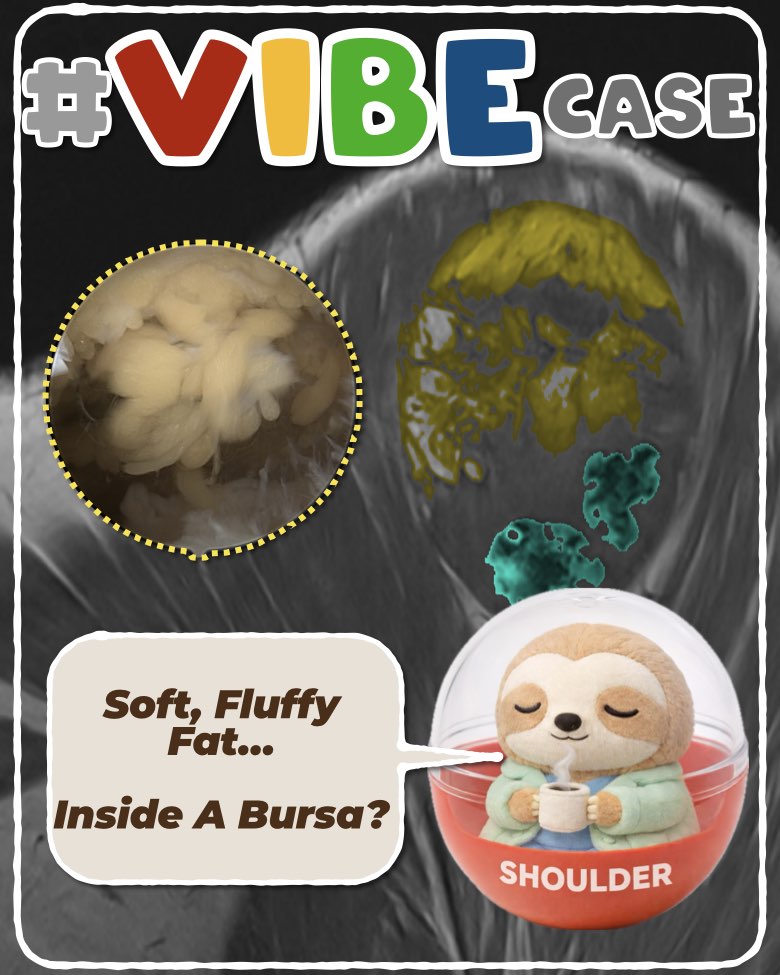
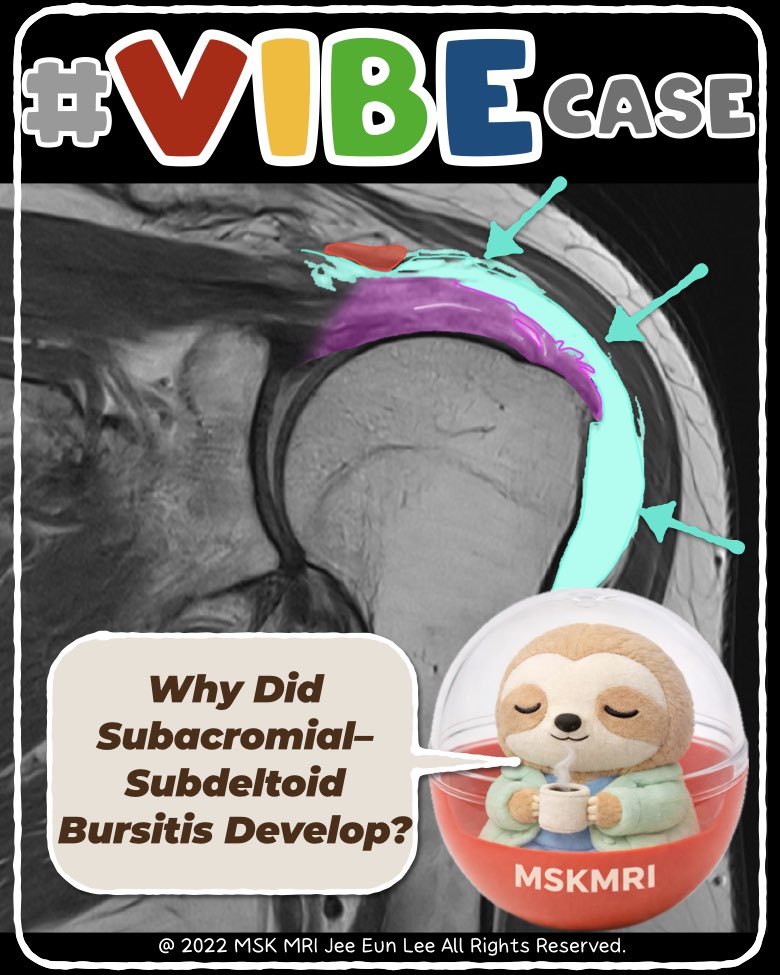
๐Ÿ“Œ Lipoma Arborescens of the Subacromial–Subdeltoid Bursa

https://youtube.com/shorts/pb36NNj4r8UCore MRI DiagnosisDiffuse frond-like (villous) synovial proliferation within the SASD bursaFat signal on all sequencesAssociated subacromial–subdeltoid bursitis/effusion outlining the fatty fronds Key Supporting PointsNo solid enhancement of the fatty villi(only thin synovial lining enhancement if reactive synovitis)Often coexists with rotator cuff tendinopa..

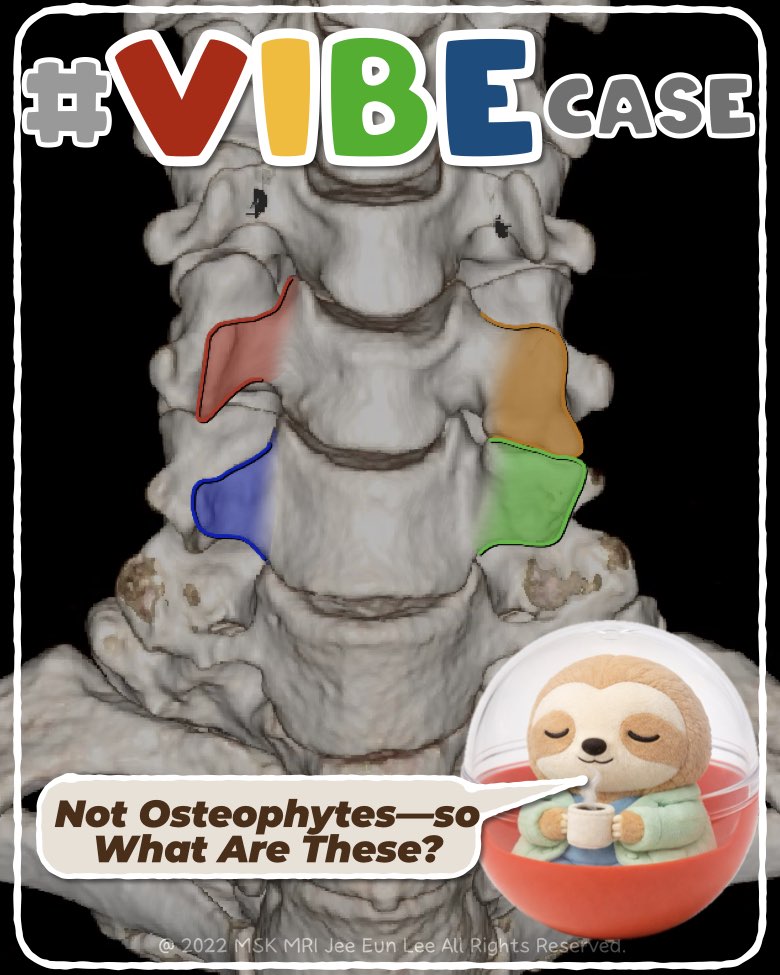
๐Ÿ“Œ Why the Anterior Tubercle Looks Hypertrophied.

https://youtube.com/shorts/lNWo2j3_COw Accessory articulation of the cervical transverse process is a rare congenital anatomical variant caused by elongation of the anterior tubercle (costal element), forming a pseudoarthrosis with the adjacent vertebra.Most commonly reported at C5–C6; C6–C7 is exceptionally rare.Key Imaging ConceptAt levels with accessory articulation, the transverse process—pa..

๐Ÿ“Œ Not an osteophyte. Not an osteochondroma. Not a fracture.

https://youtube.com/shorts/k0sEdDezBPE Accessory articulation of the cervical transverse process is a rare congenital variant caused by elongation of the anterior tubercle (costal element), forming a pseudoarthrosis with the adjacent cervical vertebra.Most commonly reported at C5–C6; C6–C7 is exceptionally rare. Why this mattersOn AP cervical X-ray and axial CT, this anomaly can closely mimic:Ac..

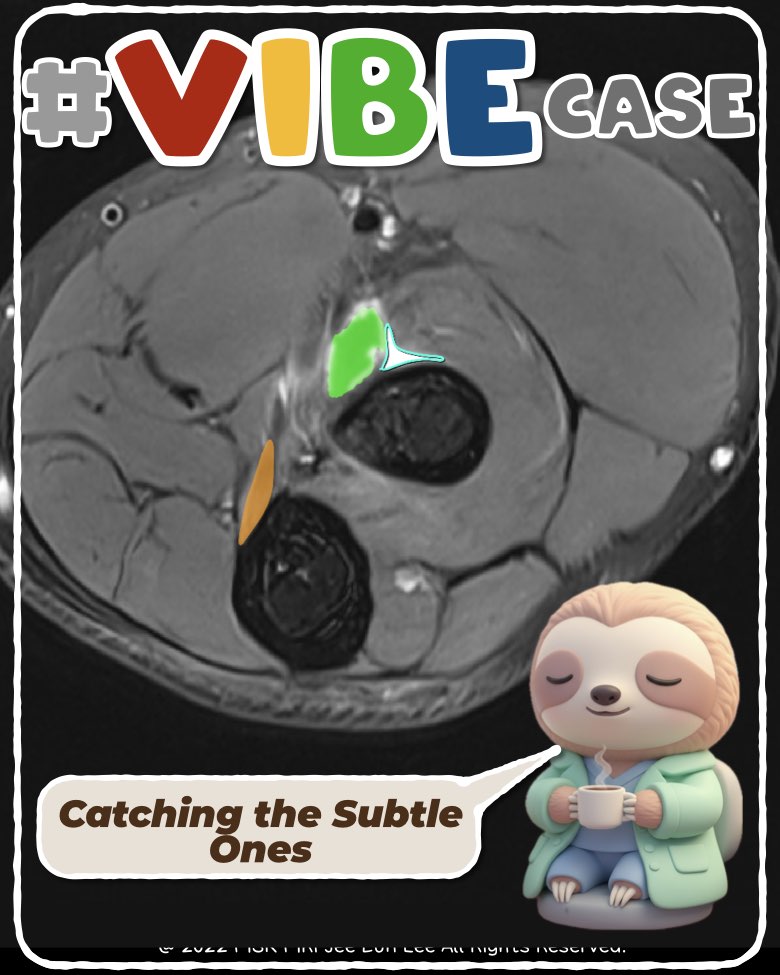
๐Ÿ“Œ Mild Tendinosis Is Not Normal: Don’t Miss the Subtle Signs

https://youtube.com/shorts/GHxkDE8POx8 Mild Tendinosis — Key Imaging Features (No Tear)Increased intrasubstance signal(↑ T2 / PD signal, but not fluid-like)Mild tendon thickeningPreserved fiber continuityNo fluid cleftNo fiber attenuation or discontinuity± Minimal peritendinous or bicipitoradial bursal fluid± Enthesopathic change at the insertion๐Ÿ‘‰ Important point:This tendon is not normal, but ..

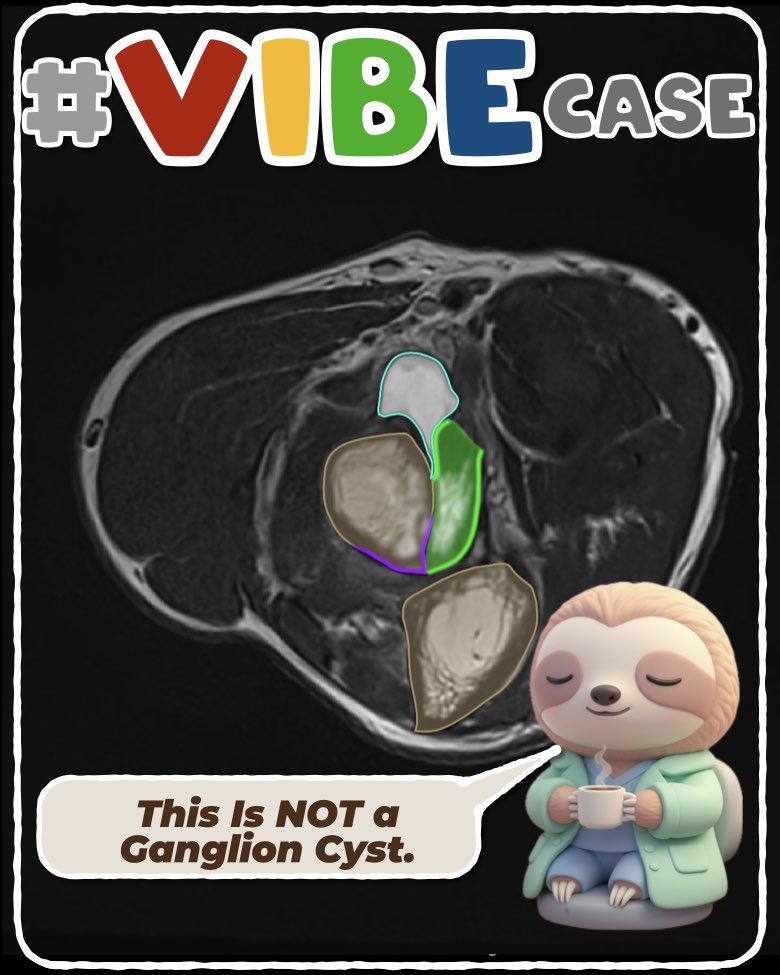
๐Ÿ“Œ MRI Findings of Bicipitoradial Bursitis and Distal Biceps Tendinosis

https://youtube.com/shorts/eIqs_44BGUI OverviewDistal biceps tendinosis is a chronic degenerative condition characterized by collagen disorganization, mucoid degeneration, and tenocyte hypertrophy. Unlike tendinitis, which implies an acute inflammatory process, tendinosis reflects a failed healing response to repetitive microtrauma and mechanical overload.1. Signal CharacteristicsKey Concept:Ten..

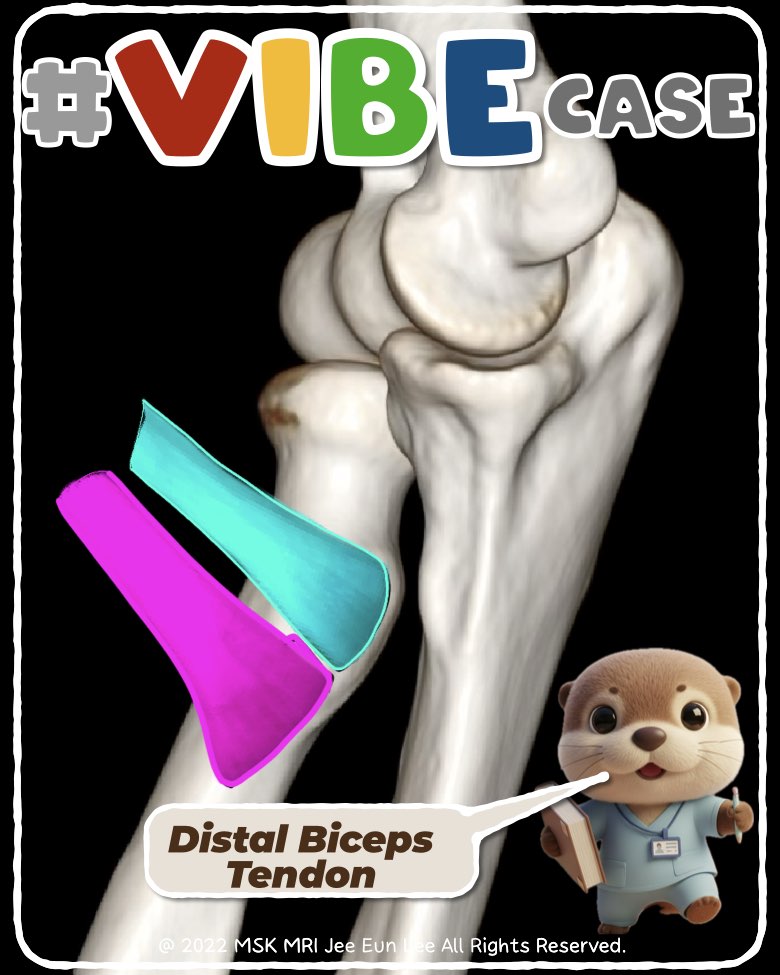
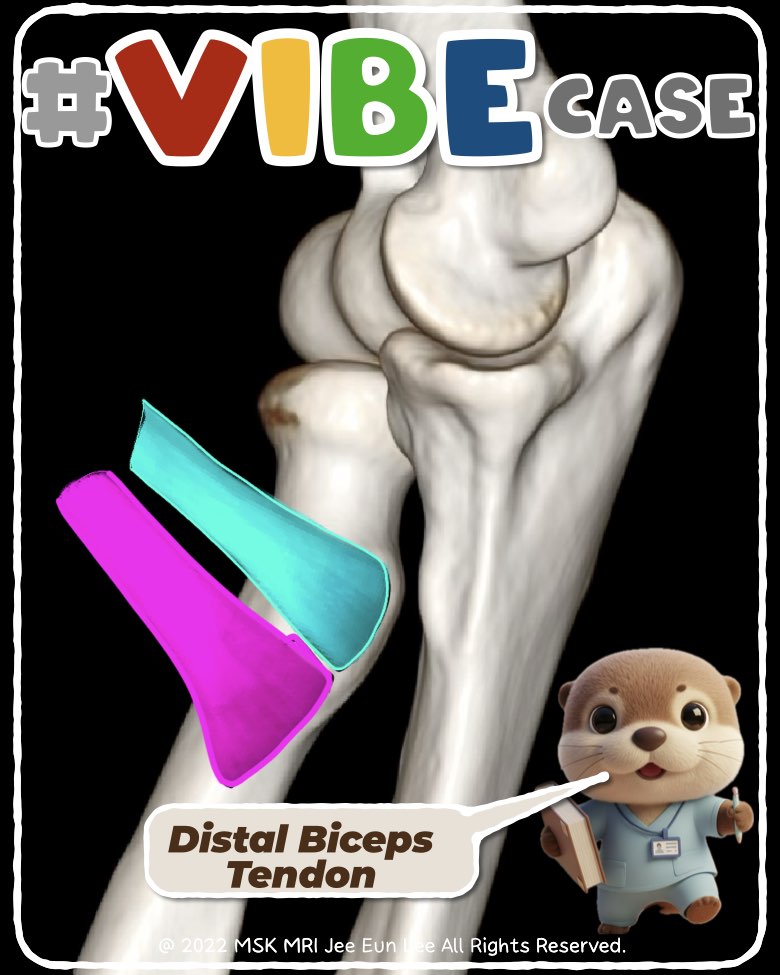
๐Ÿ“Œ Anatomy of the Distal Biceps Tendon and Lacertus Fibrosus

https://youtube.com/shorts/3N1C11sARJY 1. Basic StructureDistal biceps tendon is a flat, paratenon-lined, extrasynovial structureNo true tendon sheathFormed by contributions from the short head (SHB) and long head (LHB)Tendon formation begins approximately 7 cm proximal to the elbow2. Myotendinous ConfigurationSHB and LHB gradually coalesce distallyInterdigitating fibers create a “goose quill ap..

๐Ÿ“Œ Two Heads, Two Functions: Understanding the Distal Biceps on MRI

https://youtube.com/shorts/wSC1zf-xbaI (Short Head vs Long Head — Anatomy & Function)1. Basic StructureThe biceps brachii is a two-headed muscleThe distal biceps tendon is formed by contributions from theshort head (SHB) and long head (LHB)It is a flat, extrasynovial structureTendon formation begins approximately 7 cm proximal to the elbow2. Origin of Each HeadShort headLong head3. Distal Course..